SAMPLE: Trend Piece
Fiber Is Having Its Main Character Moment. It's About Time.
Protein dominated the last decade, but gut health researchers, nutritionists, and your Instagram feed all agree: fiber is next.
For years, fiber lived in the nutritional background; the unglamorous advice your doctor mentioned alongside "drink more water" and "try to manage your stress." It was the domain of bran cereals and your grandmother's medicine cabinet, a nutrient associated more with digestive discomfort than with anything aspirational. Protein got the magazine covers. Omega-3s got the supplements. Fiber got the cardboard crackers.
That is changing, fast. Walk through any health food store right now and you'll find fiber-forward products jostling for shelf space with the creatine and the collagen.
Registered dietitians are posting fiber content that goes viral. The phrase "feed your microbiome" has entered mainstream wellness vocabulary.
And researchers who have spent decades studying the gut are watching, with some satisfaction, as the rest of the world catches up to what the science has been saying for years.
So what took so long? And does the hype actually hold up?
The science was always there
Fiber's benefits are among the most well-documented in nutritional research. High fiber intake is consistently associated with reduced risk of cardiovascular disease, type 2 diabetes, colorectal cancer, and all-cause mortality. It feeds the gut microbiome; the trillions of bacteria living in your digestive tract that influence everything from immune function to mood. It regulates blood sugar, supports healthy cholesterol levels, and keeps you full in a way that no appetite-suppressing drug has yet managed to replicate for free.
"The research on fiber is some of the most robust in all of nutrition science," says Dr. Will Bulsiewicz, a gastroenterologist and author of Fiber Fueled. "We've known for decades that fiber is essential. The challenge has always been getting people to care about something that sounds so boring."
The 30 plants a week target, popularized by the American Gut Project and amplified by researchers like Tim Spector, gave people a concrete, gamified goal that reframed fiber not as a digestive aid but as a diversity metric. Suddenly eating well wasn't about restriction; it was about addition. Variety. Counting plants the way you might count steps.
Why now?
The timing of fiber's cultural moment is not accidental. It's arriving on the coattails of the broader gut health conversation, which has moved from niche scientific interest to mainstream obsession over the past five years. Once people started caring about their microbiome (thanks in large part to accessible books, podcasts, and researchers willing to translate complex science for general audiences) fiber became the obvious next step. You can't talk about feeding your gut bacteria without eventually arriving at what they actually eat.
There's also a growing exhaustion with the restrictive end of wellness culture.
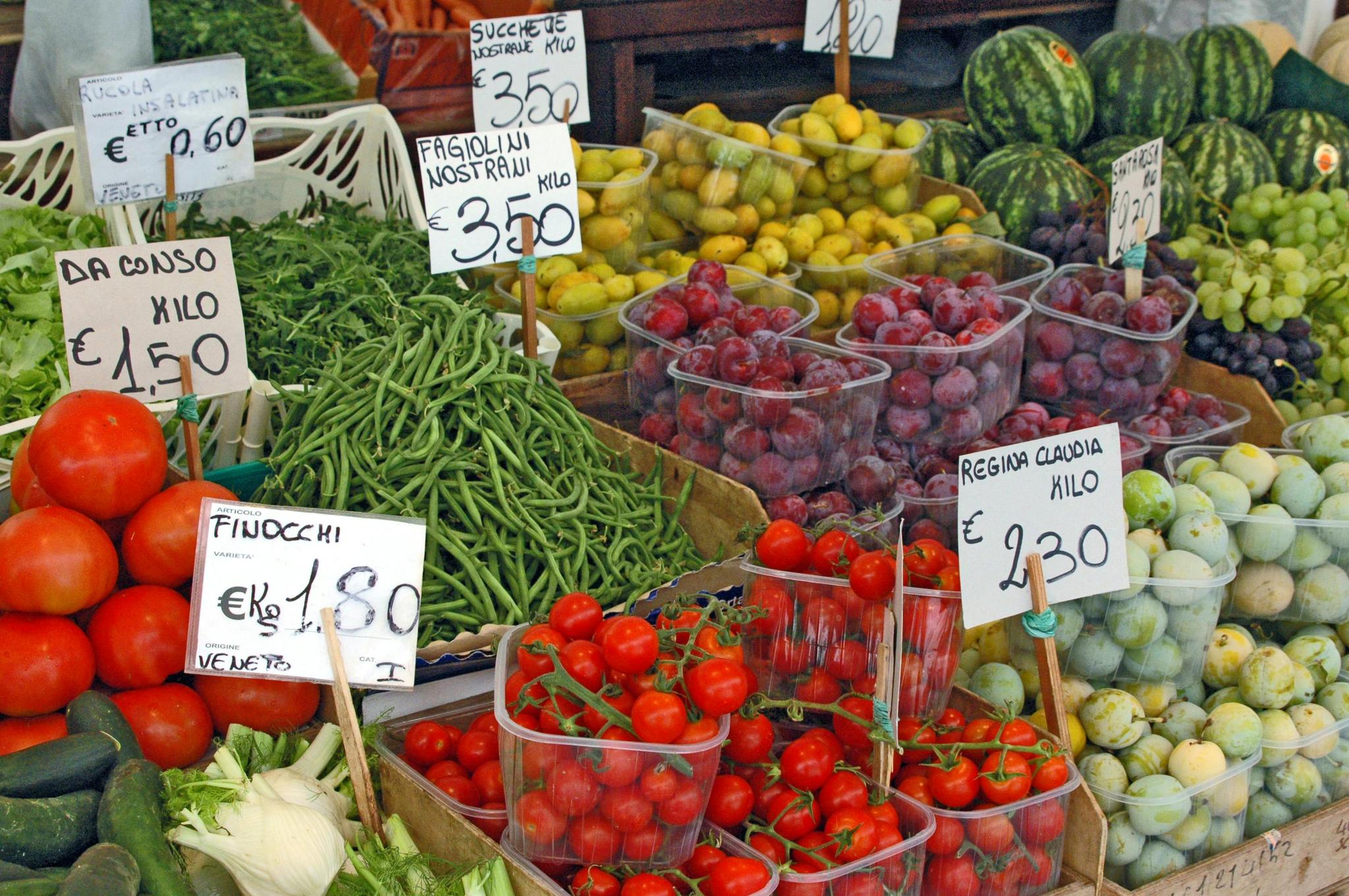
Fiber is fundamentally an additive nutrient; the goal is more, not less, and the foods that deliver it (vegetables, legumes, whole grains, fruit, nuts, seeds) are the opposite of the eliminations and restrictions that have dominated diet culture for decades. In a moment when a lot of women are actively looking for a framework that isn't about shrinking, fiber fits.
The gap between what we need and what we're getting
Here's the uncomfortable reality beneath the trend: most people are getting roughly half the fiber they need. Current recommendations sit at 25–38 grams per day depending on age and sex. The average American consumes around 15. That gap has real consequences, not just digestively, but systemically, given how central the microbiome is to broader health outcomes.
The good news is that closing the gap doesn't require a dramatic overhaul. Research suggests that even modest increases in fiber intake produce measurable improvements in microbiome diversity within weeks. Adding a serving of legumes, swapping refined grains for whole ones, leaving the skin on your vegetables. Small changes compound quickly when the baseline is this low. That being said, start slow; adding too much fiber too soon can cause... more than a few uncomfortable trips to the bathroom (consider yourself warned).
The bottom line
Fiber is not a trend in the way that celery juice was. It is a foundational nutrient with decades of research behind it that is finally getting the cultural attention it deserves. The brands, the content creators, and the supplement companies have noticed. For once, the thing going viral is actually worth paying attention to.
Your grandmother was right. She just needed better branding.
Post a comment